FABULOUS 4 for HAPPINESS

According to CBS news In the newly released 2024 World Happiness Report, the U.S. dropped out of the top 20 on the list for the first time in the report’s 12-year history. The U.S. now ranks at No. 23, compared to No. 15 last year. The researchers say this is driven in part by a decline in how Americans under 30 feel about their lives. “In the US, happiness or subjective wellbeing has decreased in all age groups, but especially for young adults,”  Gallup managing director Ilana Ron Levey

When my husband and I visit our daughter on her college campus we can’t help but wonder why everyone seems so sad and isolated. No one talks to one another, we pass bus stops where the kids are in a single line, all looking at (more like hiding out) their phones. More people than not are just walking alone. It is worrisome and sad.

My daughter has been talking (via a dating app) to a young man on a student-exchange from Sweden and his happy outlook was something to adore. I told her, “you obviously need to go stay for a longer period of time in the nordic countries because they are doing something right there!” haha AND when you look at a list of the happiest countries…fyi: top 10: Finland, Denmark, Iceland, Sweden, Israel, Netherlands, Norway, Luxembourg, Switzerland and Australia…the list is covered in that area of the world. Good for them!! Genuinely. They are obviously doing some good things.

So, how, why and what can we do to HELP our beautiful country get better??

ONE way…the way we cope. Our coping mechanisms need some updating. I know from listening to my daughter talk about college kids on campus, seeing her friends resorting to social drinking, drugs to cure loneliness and even seeing my daughter struggle with expectation, personal stress, loneliness…that our young people are struggling with happiness.

THE FABULOUS 4 for HAPPINESS:

How could we help ourselves? What could we naturally do to feel happier? What’s that you say!!?!

Natural hormones within your body that help you feel happier…naturally high on life. These hormones can be supercharged and influenced by the activities we participate in, the foods we eat, the thoughts we think. It is an incredible outlet and source for better, happier health and wellness.

Getting to know your body and finding ways to see how these natural hormones effect You is a clear indicator of what you can do to increase your own personal levels to be even more effective.

DOPAMINE….

Dopamine: Known as the “feel-good” hormone, dopamine is a neurotransmitter that’s an important part of your brain’s reward system. It’s associated with pleasurable sensations, along with learning, memory, and more. -healthline

This ‘DOPE’ haha hormone is often called, “the happy hormone” because it is a pleasure seeking hormone that derives happiness from things that are enJOYable or highlight the brain’s reward system, like compliments, falling in love, praise, shopping, sex, food, goals,

According to Psychology today: Dopamine is known as the feel-good neurotransmitter—a chemical that ferries information between neurons. The brain releases it when we eat food that we crave or while we have sex, contributing to feelings of pleasure and satisfaction as part of the reward system. This important neurochemical boosts mood, motivation, and attention, and helps regulate movement, learning, and emotional responses.

Here are some ways to naturally increase dopamine: set a goal & take small steps to achieving it. Each day you work toward your goal you will be rewarded with a natural hit of dopamine because of your accomplishment. Engage in activities that are pleasurable and help you feel good–playing with a pet, exercise, avoid processed foods [Eat foods rich in tyrosine including cheese, meats, fish, dairy, soy, seeds, nuts, beans, lentils, among others. While tyrosine supplements are available, consuming foods is preferred.-psychologytoday], avoid stress with mindfulness, mediation, yoga, getting out in nature, reading a book, get good sleep, etc.

DIFFERENCE BETWEEN DOPAMINE & SEROTONIN: (according to Healthline) Serotonin is developed in your gut, helps stabilize mood and anxiety, helps regulate sleep and wakefulness AND Dopamine is developed mainly in your brain, helps affect motivation and helps you feel more alert.

SEROTONIN

Serotonin: This hormone and neurotransmitter helps regulate your mood as well as your sleep, appetite, digestion, learning ability, and memory. -healthline

This hormone is known as the “happy” chemical/hormone because it is the hormone that keeps away anxiety and depression. This chemical plays a pivotal role in your mood and overall well-being. Most prescription drugs used to treat these factors increase the brains serotonin levels. produced in exercise, good sleep, getting outdoors in nature

Serotonin is a chemical that nerve cells produce, and it sends signals between your nerve cells. Serotonin is found in many parts of your body: in your digestive system, blood platelets, and throughout the central nervous system.

Serotonin is made from the essential amino acid tryptophan. This amino acid must enter your body through your diet and is commonly found in foods such as meat, dairy products, eggs, and nuts.——–Healthline

Here are some ways to naturally increase serotonin: exposure to sunlight, practice gratitude, get a massage, manage your stress, exercise, eat healthy nuts, pineapple, eggs, get out in nature, vitamin D,

OXYTOCIN

Oxytocin: Often called the “love hormone,” oxytocin is essential for childbirth, breastfeeding, and strong parent-child bonding. It can also help promote trust, empathy, and bonding in relationships. Levels generally increase with physical affection. -healthline

This ‘love’ly hormone is very connection and physical based. This is the hormone that is necessary for a new mother to bond with her baby. It is also key in hormonal spikes in intimacy, physical touch, cuddling, massage, holding hands, sex & can be naturally increased through telling someone you love them, a hug, laughter, pets, socializing, having sex, time, physical touch, service, giving back, foods like avocados, spinach and vitamin c…

ENDORPHINS

Endorphins: These hormones are your body’s natural pain reliever, which your body produces in response to stress or discomfort. Levels may also increase when you engage in reward-producing activities such as eating, working out, or having sex. -healthline

These hormones are highly associated with “runners high” and are natural pain killers. The natural ways to increase and boost endorphins: chocolate, sex, exercise, music, meditation, laughter, food (spicy food), UV light…
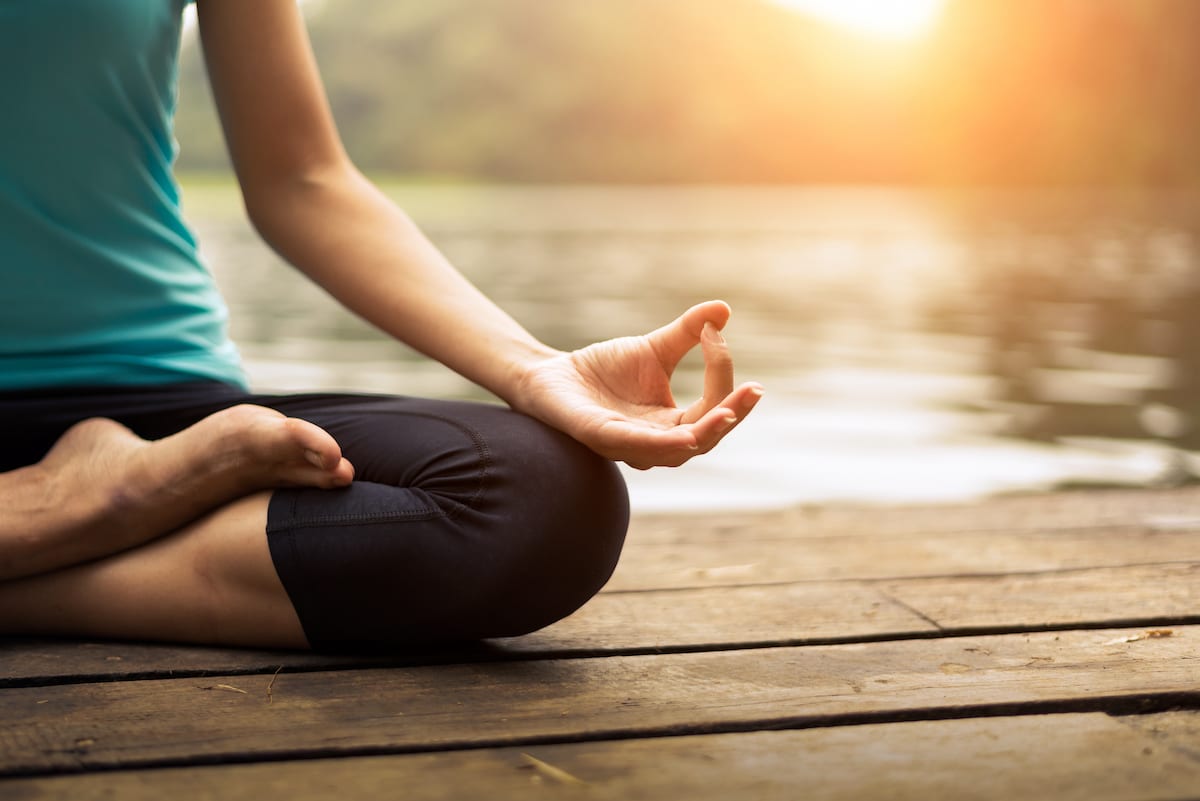
Top Tips to help with a Healthy Wellness and Happiness Practice

According to CALM https://www.calm.com/blog/healthiest-lifestyle Drink plenty of water, eat nourishing foods, regularly exercise, get good sleep, spend time outdoors, make time to pay and explore, practice mindfulness and meditation

According to the Mayo Clinic: Eat nourishing foods, Sleep 7-8 hours a night, Keep company with people you enjoy being around, Avoid news overdose, Regular exercise (150 minutes of moderate intensity physical activity each week), Do something meaningful each day (Putting effort into the things that matter most to you will help you use and reserve your energy in ways that will bring out the best in you.), Think good thoughts for others (compassion for others)

According to Psychology today, The formula for health and happiness is a life oriented towards effortful rewards. Pursue goals that demand your best self (e.g., intimate relationships); seek out achievements won only through dedication and sacrifice (e.g., fitness); and create a lifestyle encouraging ongoing learning and personal growth (e.g., self-actualization). This is one lesson from history that will never become obsolete.

According to Oprah: Discover your purpose, Speak kind words to others and yourself, Have self-compassion, Adjust your mindset (be positive, stop overthinking), Get grateful & Be present, Lean into the Joy of Aging, Strengthen your relationships, Self-love, Learn how to cope with stress, Get some therapy, Build healthy habits, Prioritize sleep, Write it down (journal),

According to Real Simple Magazine: Don’t Start with Profundity (Start with the basics), Don’t let the sun go down on anger (Expressing anger related to minor, fleeting annoyances just amplifies bad feelings, while not expressing anger often allows it to dissipate.), Fake it til you feel it, Realize that anything worth doing is worth doing badly. (Challenge and novelty are key elements of happiness. People who do new things―learn a game, travel to unfamiliar places―are happier than people who stick to familiar activities that they already do well.), Don’t treat the blues with a “treat.” (ask yourself, “will this truly make things better?”), Buy some happiness. (Our basic psychological needs include feeling loved, secure, and good at what we do. You also want to have a sense of control. Money doesn’t automatically fill these requirements, but it sure can help.), Don’t insist on the best (sometimes good enough is enough), Exercise to boost energy, Stop nagging, Eat less ultra-processed foods (they lower your mood), Start Volunteering (according to one study people who engaged in volunteering were 7% happier than those who did not), Connect with the outdoors (According to one study, being in nature for at least 30 minutes a week is proven to lower blood pressure and decrease your risk of depression.), Hang out with friends (seeing friends is a great way to reduce stress and feel a sense of support), Consider seeing a therapist (When life gets difficult, it can be beneficial to have someone to turn to for advice.) -Gretchin Rubin article

Hope these ideas get you moving in a happier, healthier direction for your best life!!

Peace. Love and Light to you today. xoxo. -H

The power to MOVE!

I was recently listening to Jonathan Fields podcast, “Goodlife Project” and was taken back by some information he and his guest were sharing. I would consider myself a pretty active person, I walk miles a day outside, sometimes add in some additional trampoline, walk/step, or dance exercises. BUT, when I heard them talking about how sitting for hours at a time can be worse than smoking packs of cigarettes, an alarm went off in my head!! What!! AND that even though I am active, THAT activity cannot replace the stagnant time of sitting. OMG!! WHAT!!

That was pretty shocking news to me. I do have daily hours of down time where I sit and work on writing, projects, searches, etc. I never would have thought that sitting could have such a negative impact on the mind and body. Who would have thought that even getting up when your Apple Watch says “stand” really does mean something important. It should be like a bell that goes off to a higher awareness and personal challenge to MOVE…even just a little.

I decided I needed to do some research into MOVEMENT and what is essential and imperative to best health.

JONATHAN FIELDS guest, Dr. Jennifer Heisz, author of Move your Body, Heal your Mind

They were talking about movement every 30 minutes to wake up the brain. It makes sense. Think about your brain like our computers. After a certain period of time they go into sleep mode. Our brains after sitting for awhile go into energy conserve mode, so waking everything up every 30 minutes for a movement break makes so much sense for overall wellness.

WOW!! In dealing with depression and anxiety: stress induced depression seems unresponsive to antidepressants, often because the root cause of it is not serotonin, or a lack of serotonin, which the drugs treat, but rather inflammation. And inflammation, when it gets into the brain, it alters these pathways that make it difficult to feel good. And so Exercise because it’s anti-inflammatory, the MYO kinds released from the muscle. Those actually create this anti-inflammatory effect. It is a pharmacy for people who have this drug resistant depression. It is the medicine they need and it, it has clinically significant benefits for depression reduction on par with antidepressant drugs. Just fascinating.

How do we manage our health? How do we manage our mental health? Prescription drugs may be one part of it, but lifestyle and Exercise. Given that it has the same benefits at reducing our depression as a pharmaceutical, it just blows my mind that this is not part of the regular conversation.

Even a little bit of movement: Do a little bit of movement. In fact, what I recommend people do is just break up your sedentary time as a starting point. So we’re all sitting all day. Every thirty minutes just stand up. Do a two minute movement break. This is enough to restore blood flow to the brain.  Infusing the prefrontal cortex with oxygenated blood flow helps you focus, be more creative when we’re able to think outside the box are less likely to ruminate on negative thinking, which is a symptom of depression. And so it can start etching away at those symptoms that are preventing us from being active.

Our reaction to stress is also a big influencer: So I think sometimes it can be one thing, but sometimes it can also be the way we react to stress. So there’s some really interesting research that shows that it’s not necessarily the level of stress that you have in your Life, but how you react to it. There’s this research that shows when people are more Moody. So like if they get really high on those good days and really, really low, angry, intense on those bad days. And it’s this undulation this, you know, this pendulum that swings between good and bad days. That can really start to damage the body. That increases inflammation.  And then can cause Anxiety and depression.

Be gentle and compassionate with yourself and how you are actually FEELING: Check in with yourself and see how you are feeling. Do you need to adjust your workout to not be so intense on a day when you are feeling off or worn down from various stressors. Look at the emotional highs, lows, stresses, challenges, workloads you are dealing with and be gentle.

Try a mental health mode of exercise. So if I, if I have scheduled a thirty minute jog and I’m not feeling well, I’ll go for the thirty minute walk. I’ll put the time in, but I’ll take off the intensity. And I think that that’s just such a such a, a good approach to movement for mental health. 

Benefit of movement and sleep: Talk about NATURAL SLEEP AID…MOVEMENT. So ATP is the cell’s energy currency that we break down to get energy. And when we break down ATP, it produces this byproduct called adenosine and adenosine throughout the day as we do work, mental work, physical work, it starts to build up. And then once it reaches a certain threshold, it triggers sleep. So it’s a natural sleeping aid. The brain has receptors for adenosine that triggers sleep. And when we move more during the day, we break down more ATP. We build up more adenosine and so we sleep more soundly, we fall asleep faster and we trigger sleep because we’ve created more of this natural sleep aid. 

___________________________________________

A podcast that was interviewing Dr. Jennifer Heisz was mentioning some key ideas to get your body MOVING…you may have to trick your body and your brain into exercising. According to Dr. Heisz she suggests: take a sip of a sugary drink or throw in a piece of sugar gum, then turn on some of your favorite pump up music to release the dopamine.

She also talked about why exercise is able to help with anxiety. When we exercise, there’s a resiliency factor that’s released in the brain called neuro Y and this resiliency factor helps to calm.

Fear center called the amygdala. It’s the brain region. That’s like hypervigilant, constantly scanning the environment for threats, but also can be triggered by our thinking, and worries. And so this neuropeptide, Y can be released. By light to moderate activities. So which means you could be going for a brisk walk and that would be enough to increase neuropeptide. Y one thing that’s really interesting is that neuropeptide Y seems to protect the brain from trauma. So when we look at people who have gone to war, for example, some of them will return. With post traumatic stress disorder, but some won’t and the ones who are protected are the ones who have higher levels of neuropeptide. Y. and so we can build more of that resiliency factor with exercise, which I think is amazing. And then we don’t need to exercise vigorously for that. We can just exercise that light to moderate.

The problem is how we view stress. A lot of the time when we see it as negative or having an overly negative impact on our health, research shows that’s when it’s most damaging to our health is when we have that negative connotation or negative perception on it. So it’s not stress that’s good or bad. It’s our, our thinking that makes it that way.

Exercise helps train the stressors: So when stress is high and it’s negative, that amygdala, the fear center is on and it’s active. And so we’re not. We’re no longer responding to the situation at hand, we’re responding to our own vulnerability. Then we’re not our best self, we’re angry, we’re defensive, we’re negative. We are viewing everything through this lens of vulnerability and that’s when it that’s when it really becomes destructive. And so we can get ahead of that. We can start. To heal that and to manage our reaction, to stress using exercise because exercise is, it is technically a stressor. It does activate the stress system. But like I said, in this safe space that we control how long we go. We control how high it goes. It’s really is a way to Essentially like tone the stress system, like you’re flexing your stress muscle, and then that stress muscle grows stronger so that you can tolerate heavier stress loads without being so reactive. And then you are quicker to recover less feelings of vulnerability and the ugliness of stress that. It all it brings out in us, we can stay calm.

Every 30 minutes, stand up for two minute movement break. This is enough to increase, focus, creativity, to help restore blood flow to that prefrontal cortex that we need to be productive at work. 

So five minutes of this can be like jumping jacks, high knees, but it doesn’t have to be vigorous. It could also be just stretching. And this helps to helps us to stay focused.

10 minute self-paced walk has been shown to boost creativity. Three 30 minute brisk walks like in a week. That’s not that much time we’ve shown in my lab reduces anxiety. That’s also the typical prescription tested for reducing depression and in some people that works better than antidepressant drugs.

https://mindfulmamamentor.com/move-your-body-heal-your-mind-jennifer-heisz-360/

__________________________________

I bought her book and began reading it. I am almost half through it, but I thought I would add my little note highlights…

Group-based exercises increase your pain tolerance.

–WOW!!!! All forms of exercise have the potential to make us feel good. A solo hike in nature. A fun-filled bike ride with friends. A deep dive into a refreshing pool. Or lifting heavy weights up overhead after a smooth snatch. That’s because exercising causes the release of a feel-good neurochemical called dopamine. Exercise increases dopamine 130 percent above baseline, which is comparable to the dopamine released by other naturally rewarding things like food (130 percent) and sex (160 percent). Importantly though—and the real reason that its highly unlikely for me or any other athlete to be truly addicted to exercise—the dopamine released by exercise is significantly less than the dopamine released by alcohol, nicotine, and other drugs of abuse. Alcohol increases dopamine by 200 percent, Nicotine by 225 percent, Cocaine by 350 percent and Amphetamine by 1100 percent. Although that may sound like a lot of pleasure, too much dopamine is bad for the brain and can result in serious and potentially fatal brain damage.

–Her section on “The Brain on Drugs” I immediately took a screen shot and sent to my daughter’s previous college boyfriend. We care about him and he is at that prime age of lets just party and live it up while we are young & I told him that he needed to read this part of the book to help protect his brilliant, engineering mind.

“Technically, drugs and alcohol “cook” the brain’s reward system by inundating it with too much dopamine. The brain reacts by imposing tight restrictions: Less dopamine is produced, and fewer dopamine receptors are made. This is done to alleviate some of the pressure, but it has some unintended side effects.

For one, the small amount of dopamine left in the addict’s brain when sober now has even less of a chance of binding to its receptor. If dopamine can’t bind to its receptor, it can’t induce pleasure. This is the ultimate killjoy.

At first, naturally rewarding things like food and sex seem very dull. Soon, the drug itself loses potency, and the addict must consume more and more of the drug to get the same high {aka drug tolerance] That is why seemingly harmless experimentation can quickly spiral out of control….Things get more difficult the longer the addict abuses, as the brain continues to strip away more and more of its dopamine receptors. Now only supernatural pleasures can give the brain the pleasure it needs to feel good. This is when the three of the four C’s of addiction arise: cravings, compulsion to use, and loss of control in the amount and frequency of use.

The brain then changes the way it makes decisions, giving rise to the fourth and final C of addiction: Use despite negative Consequences. The dopamine-starved brain demands instant gratification, almost to the point that it would rather die than wait. It convinces the addict that the immediate benefits of a quick fix outweigh any long-term costs of drug use. This is not true. In reality, the addict risks losing it all. Health…relationships…finances…freedom. Even life itself.

—–BUT, there is hope. in her book (pg 71–talks about getting the addicts brain to bounce back. It just takes some time and effort to rebuild the system)——-

Regular exercise tones the stress response, making us less reactive to psychological stressors, and this promotes optimism, even amidst the most seemingly uncontrollable situations.

30 minutes of light-to-moderate-intensity exercise three times a week is enough to soothe your anxious mind.

Get out of your head and into your body: When your head is a mess with anxiety, you have but one choice: You need to get out of your head and into your body. You can do that by paying attention to your breath. I see your skepticism, but I have a little neuroscience to back this up. In one study, researchers recruited twenty-six people who had no experience with meditation or yoga. Over 2 weeks, the participants learned how to pay attention to their breath by becoming aware of the body’s position and focusing on the sensation of breathing such as the rise and fall of the belly or the rush of air under the nose.

Why attention to breath is so effective at resetting an anxious mind? Because paying attention to the breath capitalizes on the fact that the mind can only focus on one thing at a time. Therefore, the more time the mind spends attending to the body (and its breath), the less it has time to worry.

—She talks about a huge study done on exercise and depression on page 61 & found big findings on how EVEN JUST ONE HOUR A WEEK OF EXERCISE MAKES A BIG DIFFERENCE!!

Why the drugs don’t work: Antidepressant drugs only treat a specific biological dysfunction, namely low serotonin. Outdated medical practices assume that low serotonin causes all mood disturbances. This is not true, but as of right now, no further testing is done to prove otherwise.

Unexpected cause of mental illness: surprisingly, its likely inflammation

—Just breathe to CALM.

Exercise rescues happiness in depressed patients. She talks about Exercise vs Antidepressants & how in some cases exercise is the winner and can work better in some situations.

SO many great things to learn about!! I LOVE learning, so this book has been full of good info to help create a healthier life—mind and body. When I finish the book, I will post more highlights. GOOD INFO IS ALWAYS GOOD.

Make today a little healthier for you. YOU are your greatest investment in your life. Take the time to learn, to grow, to make better choices, to MOVE.

Peace, Love and Light to you today. xoxo. -H

Lessons learned from the movie Elvis & Anabelle

6d80bfe2699a4737dd077805b891cde7Probably many of you have never heard of this movie, but I came across it on Amazon after watching another quirky movie, My Sassy Girl (which I will do some lessons for that next). I did not know anything about this movie, so I was definitely surprised by different parts. I don’t want to spoil the movie for you, so just watch and learn.

I will say, this movie definitely brought up some personal feelings regarding loved ones and suicide, depression…I have had people throughout my life who have suffered from depression and on a couple of occasions had people close to me at  serious tipping points. It is very Scary, emotional stuff, so this movie had moments that definitely hit home for me.

The opening scene of this movie was almost like a horror film with embalming fluid, a hearse, the run down funeral home. But with any movie you have the dark moments followed by the light, and thank heavens for that balance. The movie was a journey seeing the characters, their lives, their personal struggles and their need to break free from the world they were living in.

film1You have Elvis, his mother had committed suicide on Christmas day, he lived with his father who had been running a funeral home, but with a recent accident was unable to, so Elvis has been taking over without anyone knowing. Elvis loves his father very much and there is a very sweet bond between these two characters.  On a side note, Max Minghella (the actor that played Elvis) was truly drawn to this role because of the relationship between the father and son. Very sweet.

-Elvis-Anabelle-Movie-stills-blake-lively-15143475-399-268You have Annabelle, pageant queen, mother loves her but has driven Annabelle’s whole life to revolve around winning pageants, smiling, being pretty. Annabelle plays the part, but inside she is dying on a personal level.

Lessons learned:

0The life lessons of mortality–why? Why do I have this life? You could see this multiple times within this movie. You could see the characters faces wondering, why?      I think that is a very typical life question that we all wonder at different points within our lives. I think this question often comes from the perspective we see, the outward existence, a heart that is seeking to understand certain things, the mystery, the confusion, the dark, the light. You can ask this question when you are struggling, but this question can also come up when you feel you don’t deserve all you have. It is an ongoing lesson.

pdvd1105Cherished time is so important: We all seem to spin each day in the same direction and often find it hard to slow down and be present with those we love so dearly. Time is precious & this movie reminded me how each moment needs to be cherished. Elvis enjoyed reading every night to his father and their friendship and love was truly shared. I hope we all strive to have close relationships that we can hold and cherish always.

film3See life as a gift filled with miracles: At one point in the movie Annabelle runs away from her glamorous life to find solitude in the questions, the mystery of life. She begins to see life as a gift. She noticed the sunsets, the starry nights, she planted a garden to believe miracles would want to grown, even in bad dirt. She gets determined to plant something & buys bags of seed, starts up the tractor that has not been used in a very long time, determined to believe in miracles. Charlie (Elvis’ dad) and Elvis don’t believe what she is doing. They think she is wasting her time. She does not tell either of them what she is planting.

tumblr_lj0x9pakPZ1qckv4ko1_500_largeSee life with a new perspective: Annabelle realizes that for every terrible tragedy that happens in the world, there is always something equally miraculous that grows from it.  Can you believe that gift within your own life? Can you begin to see that when something tragic happens, something good from it will grow?

54089bf0c2f9defc261039df6f3bcc98Live this day: Annabelle is chased off the farm. She begins to think of her time at the funeral home—painting, tilling the fields, planting seeds, investing in other people and evaluates where she has been in her life and realized that she has not ever truly lived one day for herself.     Do you ever feel like this? Feel like you are always on a rotating cycle of doing dishes, homework, the same job, the same cycle? Maybe you need a little thing to do today that is yours. Make a list of a few things you would like to do in the next month—it doesnt have to be big things. Begin with little things: Go on a walk, Read 15 minutes a day, listen to an audio book on your way to work, doodle something, learn about something on youtube…just begin to live this day doing something small that means something to you. Make it your own!

tumblr_lno9kbinsp1qdssiwo1_500Don’t focus on the negative: Elvis is stuck in depressing thoughts, wondering what happened to his mother, feeling overwhelmed trying to run the funeral home & take care of his dad, not being able to pursue his own dreams…Annabelle tells Elvis if he keeps thinking his depressing thoughts, then he will have a depressing life.      How are your thoughts? What do you focus on in your life? When you talk out loud, what are you saying to others? How do you feel inside? You can feel if you are feeling negative or positive—it is pretty easy to tell. Be aware and focus on the good things within your life.

img-thing-1Good question: Annabelle asked Elvis…If you could do one thing in the whole wide world, what would it be???       Ask yourself that question. Nothing is being held from you…what would you want to do??

The movie does have some depressing moments where the two main characters are apart, depressed, wishing to be free of this world, the misunderstandings, the media, the loneliness…until one last miracle shines through in the sweet ending.

tumblr_lk41b4z0KD1qa8njfo1_500