
According to CBS news In the newly released 2024 World Happiness Report, the U.S. dropped out of the top 20 on the list for the first time in the report’s 12-year history. The U.S. now ranks at No. 23, compared to No. 15 last year. The researchers say this is driven in part by a decline in how Americans under 30 feel about their lives. “In the US, happiness or subjective wellbeing has decreased in all age groups, but especially for young adults,” Gallup managing director Ilana Ron Levey
When my husband and I visit our daughter on her college campus we can’t help but wonder why everyone seems so sad and isolated. No one talks to one another, we pass bus stops where the kids are in a single line, all looking at (more like hiding out) their phones. More people than not are just walking alone. It is worrisome and sad.
My daughter has been talking (via a dating app) to a young man on a student-exchange from Sweden and his happy outlook was something to adore. I told her, “you obviously need to go stay for a longer period of time in the nordic countries because they are doing something right there!” haha AND when you look at a list of the happiest countries…fyi: top 10: Finland, Denmark, Iceland, Sweden, Israel, Netherlands, Norway, Luxembourg, Switzerland and Australia…the list is covered in that area of the world. Good for them!! Genuinely. They are obviously doing some good things.
So, how, why and what can we do to HELP our beautiful country get better??
ONE way…the way we cope. Our coping mechanisms need some updating. I know from listening to my daughter talk about college kids on campus, seeing her friends resorting to social drinking, drugs to cure loneliness and even seeing my daughter struggle with expectation, personal stress, loneliness…that our young people are struggling with happiness.

THE FABULOUS 4 for HAPPINESS:
How could we help ourselves? What could we naturally do to feel happier? What’s that you say!!?!
Natural hormones within your body that help you feel happier…naturally high on life. These hormones can be supercharged and influenced by the activities we participate in, the foods we eat, the thoughts we think. It is an incredible outlet and source for better, happier health and wellness.
Getting to know your body and finding ways to see how these natural hormones effect You is a clear indicator of what you can do to increase your own personal levels to be even more effective.
DOPAMINE….
Dopamine: Known as the “feel-good” hormone, dopamine is a neurotransmitter that’s an important part of your brain’s reward system. It’s associated with pleasurable sensations, along with learning, memory, and more. -healthline
This ‘DOPE’ haha hormone is often called, “the happy hormone” because it is a pleasure seeking hormone that derives happiness from things that are enJOYable or highlight the brain’s reward system, like compliments, falling in love, praise, shopping, sex, food, goals,
According to Psychology today: Dopamine is known as the feel-good neurotransmitter—a chemical that ferries information between neurons. The brain releases it when we eat food that we crave or while we have sex, contributing to feelings of pleasure and satisfaction as part of the reward system. This important neurochemical boosts mood, motivation, and attention, and helps regulate movement, learning, and emotional responses.
Here are some ways to naturally increase dopamine: set a goal & take small steps to achieving it. Each day you work toward your goal you will be rewarded with a natural hit of dopamine because of your accomplishment. Engage in activities that are pleasurable and help you feel good–playing with a pet, exercise, avoid processed foods [Eat foods rich in tyrosine including cheese, meats, fish, dairy, soy, seeds, nuts, beans, lentils, among others. While tyrosine supplements are available, consuming foods is preferred.-psychologytoday], avoid stress with mindfulness, mediation, yoga, getting out in nature, reading a book, get good sleep, etc.
DIFFERENCE BETWEEN DOPAMINE & SEROTONIN: (according to Healthline) Serotonin is developed in your gut, helps stabilize mood and anxiety, helps regulate sleep and wakefulness AND Dopamine is developed mainly in your brain, helps affect motivation and helps you feel more alert.
SEROTONIN
Serotonin: This hormone and neurotransmitter helps regulate your mood as well as your sleep, appetite, digestion, learning ability, and memory. -healthline
This hormone is known as the “happy” chemical/hormone because it is the hormone that keeps away anxiety and depression. This chemical plays a pivotal role in your mood and overall well-being. Most prescription drugs used to treat these factors increase the brains serotonin levels. produced in exercise, good sleep, getting outdoors in nature
Serotonin is a chemical that nerve cells produce, and it sends signals between your nerve cells. Serotonin is found in many parts of your body: in your digestive system, blood platelets, and throughout the central nervous system.
Serotonin is made from the essential amino acid tryptophan. This amino acid must enter your body through your diet and is commonly found in foods such as meat, dairy products, eggs, and nuts.——–Healthline
Here are some ways to naturally increase serotonin: exposure to sunlight, practice gratitude, get a massage, manage your stress, exercise, eat healthy nuts, pineapple, eggs, get out in nature, vitamin D,
OXYTOCIN
Oxytocin: Often called the “love hormone,” oxytocin is essential for childbirth, breastfeeding, and strong parent-child bonding. It can also help promote trust, empathy, and bonding in relationships. Levels generally increase with physical affection. -healthline
This ‘love’ly hormone is very connection and physical based. This is the hormone that is necessary for a new mother to bond with her baby. It is also key in hormonal spikes in intimacy, physical touch, cuddling, massage, holding hands, sex & can be naturally increased through telling someone you love them, a hug, laughter, pets, socializing, having sex, time, physical touch, service, giving back, foods like avocados, spinach and vitamin c…
ENDORPHINS
Endorphins: These hormones are your body’s natural pain reliever, which your body produces in response to stress or discomfort. Levels may also increase when you engage in reward-producing activities such as eating, working out, or having sex. -healthline
These hormones are highly associated with “runners high” and are natural pain killers. The natural ways to increase and boost endorphins: chocolate, sex, exercise, music, meditation, laughter, food (spicy food), UV light…
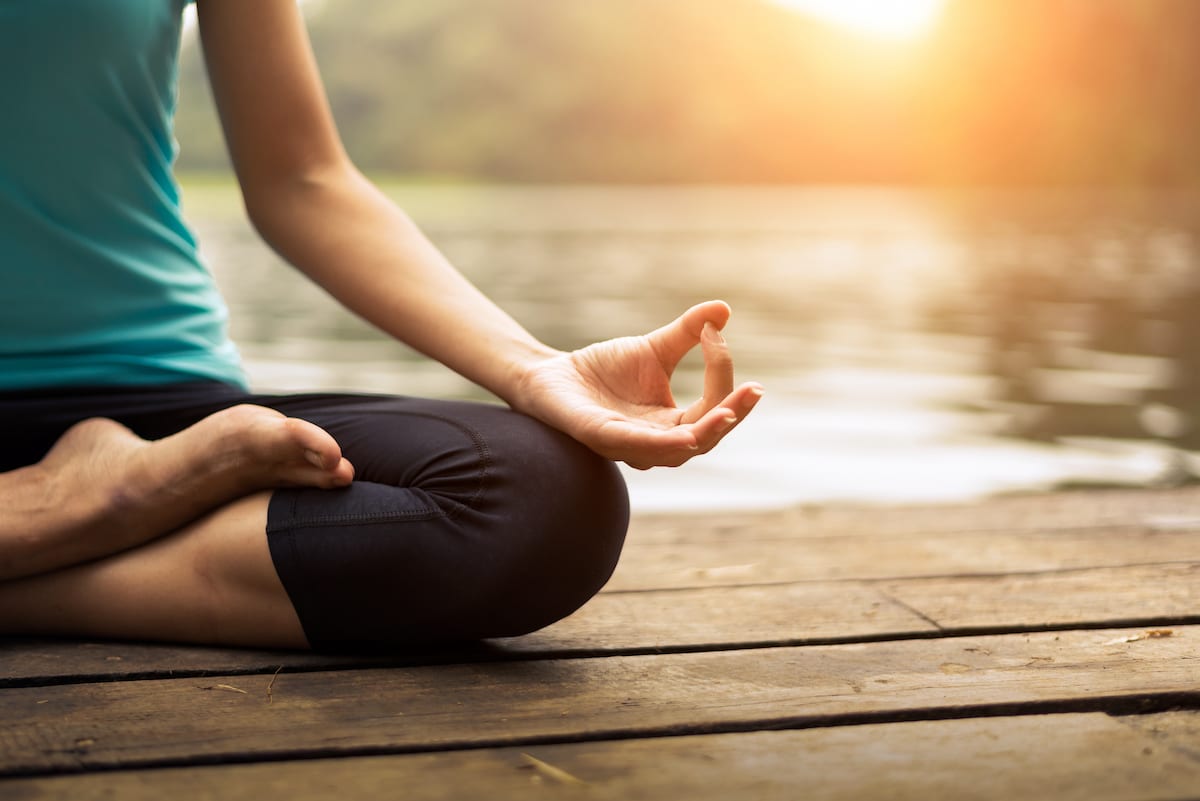
Top Tips to help with a Healthy Wellness and Happiness Practice
According to CALM https://www.calm.com/blog/healthiest-lifestyle Drink plenty of water, eat nourishing foods, regularly exercise, get good sleep, spend time outdoors, make time to pay and explore, practice mindfulness and meditation
According to the Mayo Clinic: Eat nourishing foods, Sleep 7-8 hours a night, Keep company with people you enjoy being around, Avoid news overdose, Regular exercise (150 minutes of moderate intensity physical activity each week), Do something meaningful each day (Putting effort into the things that matter most to you will help you use and reserve your energy in ways that will bring out the best in you.), Think good thoughts for others (compassion for others)
According to Psychology today, The formula for health and happiness is a life oriented towards effortful rewards. Pursue goals that demand your best self (e.g., intimate relationships); seek out achievements won only through dedication and sacrifice (e.g., fitness); and create a lifestyle encouraging ongoing learning and personal growth (e.g., self-actualization). This is one lesson from history that will never become obsolete.
According to Oprah: Discover your purpose, Speak kind words to others and yourself, Have self-compassion, Adjust your mindset (be positive, stop overthinking), Get grateful & Be present, Lean into the Joy of Aging, Strengthen your relationships, Self-love, Learn how to cope with stress, Get some therapy, Build healthy habits, Prioritize sleep, Write it down (journal),
According to Real Simple Magazine: Don’t Start with Profundity (Start with the basics), Don’t let the sun go down on anger (Expressing anger related to minor, fleeting annoyances just amplifies bad feelings, while not expressing anger often allows it to dissipate.), Fake it til you feel it, Realize that anything worth doing is worth doing badly. (Challenge and novelty are key elements of happiness. People who do new things―learn a game, travel to unfamiliar places―are happier than people who stick to familiar activities that they already do well.), Don’t treat the blues with a “treat.” (ask yourself, “will this truly make things better?”), Buy some happiness. (Our basic psychological needs include feeling loved, secure, and good at what we do. You also want to have a sense of control. Money doesn’t automatically fill these requirements, but it sure can help.), Don’t insist on the best (sometimes good enough is enough), Exercise to boost energy, Stop nagging, Eat less ultra-processed foods (they lower your mood), Start Volunteering (according to one study people who engaged in volunteering were 7% happier than those who did not), Connect with the outdoors (According to one study, being in nature for at least 30 minutes a week is proven to lower blood pressure and decrease your risk of depression.), Hang out with friends (seeing friends is a great way to reduce stress and feel a sense of support), Consider seeing a therapist (When life gets difficult, it can be beneficial to have someone to turn to for advice.) -Gretchin Rubin article
Hope these ideas get you moving in a happier, healthier direction for your best life!!
Peace. Love and Light to you today. xoxo. -H

 yourhappyplaceblog