a thick cloud of tiny water droplets suspended in the atmosphere at or near the earth’s surface which obscures or restricts visibility
something that obscures and confuses a situation or someone’s thought processes.
Living on the Oregon Coast you see a lot of FOG…marine layer…mist…there are a variety of words or descriptions of what people call it. Huge areas seem to disappear. The island mass that stretches out to the sea can be gone in a moment. Mountain sides, lighthouse structures, roads…can all be covered and it is almost like they magically disappear.
It can be quite magical or mystical or scary—if you are driving in it. It can be beautiful or haunting—it is all how you look at it. The other wonderful thing about the fog is that it can wisp across the sky like fast moving clouds that magically open windows of blue sky above. It is amazing and breathtaking. You can be standing high above on an ocean lookout and see nothing but white fog and then within minutes the fog may move and begin to give you a sneak peak of the gorgeous view below. You patiently wait for more and more of the fog to lift to share the secrets below. Magic.
THE FOG ALWAYS LIFTS
Life is like that…there will be grey days or moments, tough conversations, hurt feelings, broken hearts…but the fog always lifts. The light comes back out, the joy may be found again around the corner.
I believe a lot of our lives are spent asleep, and what I’ve been trying to do is hold on to those moments when a little spark cuts through the fog and nudges you. -Rufus Wainwright
what can we do to awaken out of a life fog?
Follow the spark or nudge—They always say–follow what lights you up. Do you seem to continually get excited about certain topics, books, ideas, places, people, etc. follow those sparks because they will help you find those things that light you up. OR do you seem to keep getting particular nudges with opportunities, conversations, books that stand out to you, a course you are interested in taking, a talk that keeps popping up on socials and catching your attention. There are things…almost hints or clues that come in to your life to help guide you. look for them…sparks, nudges….like life guideposts or personal clues to your best life.
Create a vision of clarity—what does your best life look like? What seems to lift your mood? What seems to drag or drain your energy? You can ask yourself a myriad of questions that get you seeking some clarity for various parts of your life and what you want or need. If you don’t seek and find the answers than you will continue to just be stuck without vision…lost in a type of life fog.
Less time on tech: Step away from the fog of compare and despair, constant scrolling, time stealing, fomo, etc. Even LESS time on your phone or technology will give you a better sense of control. Let go and take breaks away from it.
Get out of your head and into your body–movement is key. Your brain is like a super computer and it can easily go into sleep mode, so make sure you are getting up and moving every 30 minutes. This shakes things up, awakens you and pulls you out of brain fog. Plus, if you find yourself getting in your head about stress, work situations, relationship issues…etc. Movement is a great elixir for stress and getting out of your head. Breathe. Move. Let go.
Are you getting the necessities? Enough sleep, hydration, awareness of personal needs, good foods to nourish…
Connection: Even the simple act of smiling at someone can change your mood or energy. Often we need to do something simple for someone else—to get outside of ourselves, our surroundings, situations, etc. Get outside of yourself and do something nice for someone—even a stranger. Leave a note, send a card, give someone flowers, buy someone a coffee, make and take dinner to someone…a simple gesture helps you step out of your personal fog.
Do we even knowweare wandering around in a fog?
Do you have those moments where you feel out of sorts, not yourself, a bit low, unmotivated, less energy…could be an emotional weight caused by stress, anxiety, fear…and we feel a bit confused of how to feel or what is going on. Maybe you feel like you are avoiding or procrastinating or just unmotivated…Some called it ‘brain fog’, others may say, ‘depression’ but in reality, we all have those moments where we may just feel heavy and unclear in life. That is okay.
Take the day to recharge, ask yourself clarifying questions, get moving, connect, do the little things and the fog will begin to clear.
I have been researching and reading and listening to some incredible HEALTHY HACKS…
Here are some of my favorites that I am excited to share
HAPPINESS HACKS
From the book, “Happiness Hacks. 100% Scientific! curiously Effective!” by Alex Palmer–fun book full of researched happiness hacks and facts.
Seven (Hours) to a Long Life: How long should you sleep to live a longer life? data from 1.1 million men and women aged thirty to 102 and found that the best rate of survival was among those who slept about seven hours a night.—they also said “skip the sleeping pills”
Take 8 day vacations–“Researchers found that feelings of health and well-being increased right away during vacation, then peaked on the eighth day, where they remained until the eleventh day, after which the enjoyment levels faded out. From this, the researchers suggest that eight days is about how long it takes to let go of concerns about work responsibilities and stress—but before feelings of homesickness or restlessness set in.”
Drop the “not enough time” excuse—it is an excuse. “Most people over the years give the major reason for not participating in leisure activities as ‘not enough time’ However, we should distrust this explanation and more often than not treat it as an ‘excuse.’ In our time-use studies, we have found that when people say they don’t have enough time..they are watching three to four hours of television a day. Time constraints do not really seem to be the issue, rather its a question of priorities.” -Roger Mannell, Distinguished Professor, University of Waterloo
Connect with Nature–“People who describe themselves as more connected to nature–who see themselves as part of nature, also report more happiness–more positive emotions and purpose in life…its not that people who live in rural areas, who are surrounded by nature, are off-the-charts happy compared to people in cities. In cities, the people who find themselves near parks where there are some trees, these are the people who are happier. The little things matter: parks, gardens, even bird feeders.” -John Zelenski, professor of psychology, Carleton University
–even just looking at nature can improve your mood. Get outside. Head to a park. Buy a plant. Set your office up by a window.
Feeling down? Turn on some lights–or at least turn them up. In three separate studies, researchers at the University of Toronto and China’s Sun Yay-sen University found a correlation between people’s feelings of hopelessness and their perception of room lighting.
Reduce, Reuse and Smile—Going green is not just good for the planet–it has also been found to put those who do it into a better mood. The Happiness Research Institute of the Danish Ministry of the Environment found a link between behaviors that benefit the environment and individual happiness. Those who instituted household practices such as using recycling bins, composting, or even installing water-saving faucets & energy saving appliances reported an uptick in their level of happiness.
Rent or Buy? A study done in the UK investigated whether people were happier renting or owning their homes. The survey results showed that homeowners were just as likely to list money as their biggest concern. It also found that people renting a room or a detached house were more likely than those who owned their home to believe they had a good work life balance. Not only that, renters reported enjoying relaxing at home more than homeowners, who tend to put traveling as one of their primary keys to happiness.
Ten minutes is enough–Researchers sought out to answer “How much exercise is enough to feel better?” Feelings of confusion, fatigue, and negative mood improved after just ten minutes of exercise. After twenty minutes, only feelings of confusion improved. After thirty minutes of sustained exercise, none of the negative moods saw further improvement. Of course, exercising for longer has plenty of physical benefits, but the researchers concluded that exercising in short, ten minute bursts a few times a day is enough to provide immediate improvements in mood.
Drink more coffee–Spanish researchers following almost 20k people over a decade found that those who drank at least four cups per day had a 64 percent lower risk of dying—than those who never or almost never consumed coffee.
Take a social sabbatical: Danish researchers did a study & asked over 1,ooo subjects to stop using Facebook for a week. The Facebook quitters described feeling a big increase in their concentration, decisiveness, enthusiasm and more.
Snap a Selfie: Researchers took a group of people and separated them into three groups. The first group was instructed to take a smiling selfie each day. The second group, was told to take a picture of something that made them happy and the third group was to take a picture of something they thought would bring happiness to another person & then send the image to others. Researchers studied various measurements of the subjects moods & found an uptick in all three categories in their happiness levels. Their reasons varied: Their smiles became more natural over time, while those taking photos of things that made them happy said they became more appreciative of the little things that brought them joy in life. Those taking pictures and sending them to others reported feeling more connected to the people to whom they sent the images & felt a reduction in stress. So, turn your cell phone into a happiness booster by snapping a smiling pic of yourself or something you like once a day.
Understand that your work should not be about the paycheck: Good rule of thumb–80K is enough. After $75k you hit a happiness plateau. Those making millions may be able to buy nice things, but they don’t enjoy a higher level of happiness.
Other little things: Get a savings jar, move closer to work (commute time can get you down), Turn off the TV, Get a pet, Get some flowers, Grab some nuts, work out with friends, Talk don’t text over long distances, Know that texting kills your GPA, Get plants….there are so many happiness hacks. Go grab this book and learn about ALL the studies that have been done to help bring happiness.
BUSY BRAIN CURE by Dr Romie:Heal the Root Cause: Gain insights into the interconnectedness of ADHD, anxiety, and insomnia, and how brainSHIFT reverses these symptoms. She even has brain tests to help you score and see what you need on a personal level. So GREAT!! https://drromie.com/busy-brain-test-resources/
So, What is Busy Brain: Busy Brain manifests in a number of different ways. Does any of this sound familiar to you?
Low energy when you wake up
Energy dips throughout the day
Can’t focus without caffeine or stimulants
Feeling anxious over simple tasks
Can’t shake worries out of your mind
Racing thoughts at night prevent you from falling asleep
Waking up in the middle of the night and struggling to get back to sleep
A Busy Brain is a pattern of neuroinflammation caused by chronic stress and burnout. Busy Brain manifests as a combination of anxiety, adult-onset attention deficit disorder (ADD /ADHD), and insomnia.
And it’s making it worse. So “busy brain”—and clinical terms for the clinical folks listening—is a specific pattern of neuro inflammation, inflammation in the brain. And what I call the “busy brain center,” the limbic system and the hypothalamus that’s disturbing the circadian rhythm, the biological clock of the brain, and you’re stuck in the cycle of difficulty focusing and anxious thing all day, and you’re wired and you’re tired and you want to fall asleep and you can’t shut down racing thoughts when you go to bed at night, or you wake up in the middle of the night thinking, “Ooh, I’m wide awake. Let me just get a load of laundry done
Here are some of her TIPS: brainSHIFT #1: Digital Detox
What if I told you that one simple change in your evening routine could dramatically improve your sleep? If you struggle to fall and stay asleep, it’s a sign that your brain is overstimulated.
One of the leading causes of this is exposure to digital devices before bed. The combination of blue light and the dopamine hit you get each time you hear your phone ding is a recipe for sleep disaster.
The Solution is Digital Detox Follow these steps for 1 week and pay attention to how your sleep changes during this time. For better results, extend the practice for 2 weeks (and keep it going for life!).
30 minutes before bedtime, put away all your devices (phone, tablet, computer, and TV).
Replace device time with a calming activity.
Replace device time with a calming activity.
Light a candle and spend a few minutes longer on your nighttime hygiene rituals.
Sip a cup of herbal tea.
Write down 3 things you’re grateful for today.
Read a book (but not on your Kindle!).
Take a few quiet moments to connect with your partner, child, or fur baby.
If you find this easy, extend your digital detox time. If you can start 2 hours before bedtime, you’ll be amazed at how much your sleep will improve.
Some of her other essentials in her 8 week program
Step two is SLEEP CHALLENGE in chapter 11 (in her book), we have you download the seven-day sleep challenge: This is based on cognitive behavioral therapy for insomnia and integrative medicine. And we give supplement recommendations. The whole idea is no matter what’s going on in your world, I want you to reset your sleep-wake cycle, your circadian rhythm, to the best of your ability. That you’re sleeping well, getting restorative sleep and just even psychologically prioritizing sleep.
What you are watching: even if you’re watching something that makes you laugh, it’s still waking you up. So if you’re watching something that garners a positive experience, which is typically pure comedy, which is very rare to find—most of them are still laced with darker themes and this that can raise stress hormone levels. Even if you’re watching a comedy, you’re laughing and it’s boosting dopamine and adrenaline. Wonderful during the day, but at night, all of a sudden you got energy now. But so like, that’s the issue. But you know, most people are watching like CSI crime shows. And here’s something amazing that mindfulness literature teaches us is whatever you’re watching.
So even if it’s a horse race, let’s say, your subconscious mind is immersed in that thinking you’re in the middle of the crime scene, that you’re in the middle of the horse race. So your brain is reacting. So while you think I’m distracting myself, not relaxing, watching this, you’re actually creating a busier brain for yourself. So in the seven-day sleep challenge, we walk you through picking activities and we have a list on the website of our “evolutionaries,” we call them, some of their favorite activities, things. What feeds into the airport traffic control tower of our brains that all of us can control is what we see, what we smell, what we taste, what we hear, and what we touch. So we actually ask you to make a ritual to calm the senses down. (-brainymoms.com interview)
DO the Digital Detox [above]
She has more steps in her book—go check it out.
4 Lessons from Yale’s Happiness Course:
Savor: Savoring is the deliberate, post-activity act of looking back on what you did, and taking time to appreciate it.
Invest in temporal things: invest in experiences. A referenced study by Dr. Leaf Van Bovenfound a negative correlation between spending on material objects and mental wellbeing. Yet spending on experiences was shown to have a significant and positive correlation to mental wellbeing — do to their openness for “positive reinterpretation” over time.
Recognize the GI Joe Fallacy: happiness takes work, not just reading about how to attain it.
What Would Oprah Say: Happiness in five words: ‘Do something for someone else’ [inc mag]
8 DIMENSIONS OF WELLNESS:
Occupational therapist and researcher Peggy Swarbrick defines wellness as “a conscious, deliberate process that requires being aware of and making choices for a more satisfying lifestyle.” It is marked not by the absence of illness or stress, but by the presence of elements like purpose in life, joyful relationships, and satisfying work and play.
Back in the 1990s, Swarbrick began developing a version of the “wellness wheel” model that many educational and health institutions rely on today. That model identifies eight interconnected dimensions of wellness: emotional, physical, intellectual, environmental, social, spiritual, financial, and occupational.
The EMOTIONAL dimension “involves the ability to express feelings, enjoy life, adjust to emotional challenges, and cope with stress and traumatic life experiences,” per Swarbrick.
-Jot down how you’re feeling first thing in the morning or right before you go to bed to get better at connecting with and expressing yourself. Not a fan of writing? Try voice journaling.
-Listen to an audiobook of your favorite story or novel from when you were a kid. This one is just a great way to feel warm and cozy and reconnect with your inner child (and it’s perfect to pair with a bubble bath). LibriVox is a free website with thousands of public domain audiobooks to stream or download.
The PHYSICAL dimension–It’s important to move your body, eat nutritious foods, minimize harmful habits like smoking, and keep up with preventative health care measures.
The INTELLECTUAL dimension— It should come as no surprise that keeping our brains sharp is part of cultivating overall wellness. Lifelong learning is tied to decreased cognitive decline and increased memory, according to the University of Cincinnati.
The ENVIRONMENTAL dimension— Swarbrick defines environmental wellness as feeling physically safe, living in safe and clean surroundings, and having access to clean air, food, and water. It applies to both our “micro-environments,” like our homes and offices, as well as “macro-environments” — our cities, states, countries, and the planet we all live on.
Environmental Self-Care Practices
-Tidy up: Scrubbing your tub may not feel like self-care, but a clean house is associated with improved mental health. Here’s a 20-minute cleaning checklist.
–Have houseplants? Touch base with them. Do they need misting? New soil? Not only does tending to your plants help keep your home beautiful, but spending time with greenery is good for you.
-Pick up litter around your neighborhood (and get some fresh air while you’re at it).
The SOCIAL WELLNESS dimension–Social wellness, as defined by the eight dimensions model, “involves having relationships with friends, family, and the community, and having an interest in and concern for the needs of others and humankind.”
Social Self-Care Practices
-Write a longhand letter to a family member in another state or country, or find a new pen pal to start exchanging snail mail with.
-Video call a friend: Texting and liking each other’s posts on social media are great for keeping in touch, but sometimes you just need to see someone’s face.
The SPIRITUAL realm of the eight dimensions model is all about finding balance, purpose, and peace. That may be through belonging to a religious community, participating in cultural traditions, or simply engaging with the natural world.
Spiritual Self-Care Practices
–Create a mantra for yourself to repeat when times are tough. This writer is partial to author Glennon Doyle’s famous motto (and the name of her podcast), “We can do hard things.”
-Connect with nature in whatever way you can — maybe it’s going skiing or maybe it’s just sitting by a window and reading a book. Tip: Get a fresh sense of perspective by checking out the views on a high elevation hike or rooftop restaurant.
The FINANCIAL dimension–a sense of financial agency and security is important to wellness. There are many free budgeting tools available that can help with the elements of our finances we canexert more control over, like spending and saving.
-Donate: Feeling like you have that agency over your finances can also be achieved by giving back and sharing with those who are less fortunate.
The OCCUPATIONAL dimension—the occupational dimension is not solely concerned with career. Rather, it refers to occupying your time with meaningful activities, whether that’s employment, volunteer work, or playing a role in helping care for loved ones.
I hope you will find those little things that will help with your overall Well of Happiness. We must constantly be filling up the reservoir of what our soul needs. May you find all the resources you need to flourish. xoxo. -Peace, Love and Light to you. -H
According to CBS news In the newly released 2024 World Happiness Report, the U.S. dropped out of the top 20 on the list for the first time in the report’s 12-year history. The U.S. now ranks at No. 23, compared to No. 15 last year. The researchers say this is driven in part by a decline in how Americans under 30 feel about their lives. “In the US, happiness or subjective wellbeing has decreased in all age groups, but especially for young adults,” Gallup managing director Ilana Ron Levey
When my husband and I visit our daughter on her college campus we can’t help but wonder why everyone seems so sad and isolated. No one talks to one another, we pass bus stops where the kids are in a single line, all looking at (more like hiding out) their phones. More people than not are just walking alone. It is worrisome and sad.
My daughter has been talking (via a dating app) to a young man on a student-exchange from Sweden and his happy outlook was something to adore. I told her, “you obviously need to go stay for a longer period of time in the nordic countries because they are doing something right there!” haha AND when you look at a list of the happiest countries…fyi: top 10: Finland, Denmark, Iceland, Sweden, Israel, Netherlands, Norway, Luxembourg, Switzerland and Australia…the list is covered in that area of the world. Good for them!! Genuinely. They are obviously doing some good things.
So, how, why and what can we do to HELP our beautiful country get better??
ONE way…the way we cope. Our coping mechanisms need some updating. I know from listening to my daughter talk about college kids on campus, seeing her friends resorting to social drinking, drugs to cure loneliness and even seeing my daughter struggle with expectation, personal stress, loneliness…that our young people are struggling with happiness.
THE FABULOUS 4 for HAPPINESS:
How could we help ourselves? What could we naturally do to feel happier? What’s that you say!!?!
Natural hormones within your body that help you feel happier…naturally high on life. These hormones can be supercharged and influenced by the activities we participate in, the foods we eat, the thoughts we think. It is an incredible outlet and source for better, happier health and wellness.
Getting to know your body and finding ways to see how these natural hormones effect You is a clear indicator of what you can do to increase your own personal levels to be even more effective.
DOPAMINE….
Dopamine: Known as the “feel-good” hormone, dopamine is a neurotransmitter that’s an important part of your brain’s reward system. It’s associated with pleasurable sensations, along with learning, memory, and more. -healthline
This ‘DOPE’ haha hormone is often called, “the happy hormone” because it is a pleasure seeking hormone that derives happiness from things that are enJOYable or highlight the brain’s reward system, like compliments, falling in love, praise, shopping, sex, food, goals,
According to Psychology today: Dopamine is known as the feel-good neurotransmitter—a chemical that ferries information between neurons. The brain releases it when we eat food that we crave or while we have sex, contributing to feelings of pleasure and satisfaction as part of the reward system. This important neurochemical boosts mood, motivation, and attention, and helps regulate movement, learning, and emotional responses.
Here are some ways to naturally increase dopamine: set a goal & take small steps to achieving it. Each day you work toward your goal you will be rewarded with a natural hit of dopamine because of your accomplishment. Engage in activities that are pleasurable and help you feel good–playing with a pet, exercise, avoid processed foods [Eat foods rich in tyrosine including cheese, meats, fish, dairy, soy, seeds, nuts, beans, lentils, among others. While tyrosine supplements are available, consuming foods is preferred.-psychologytoday], avoid stress with mindfulness, mediation, yoga, getting out in nature, reading a book, get good sleep, etc.
DIFFERENCE BETWEEN DOPAMINE & SEROTONIN: (according to Healthline) Serotonin is developed in your gut, helps stabilize mood and anxiety, helps regulate sleep and wakefulness AND Dopamine is developed mainly in your brain, helps affect motivation and helps you feel more alert.
SEROTONIN
Serotonin: This hormone and neurotransmitter helps regulate your mood as well as your sleep, appetite, digestion, learning ability, and memory. -healthline
This hormone is known as the “happy” chemical/hormone because it is the hormone that keeps away anxiety and depression. This chemical plays a pivotal role in your mood and overall well-being. Most prescription drugs used to treat these factors increase the brains serotonin levels. produced in exercise, good sleep, getting outdoors in nature
Serotonin is a chemical that nerve cells produce, and it sends signals between your nerve cells. Serotonin is found in many parts of your body: in your digestive system, blood platelets, and throughout the central nervous system.
Serotonin is made from the essential amino acid tryptophan. This amino acid must enter your body through your diet and is commonly found in foods such as meat, dairy products, eggs, and nuts.——–Healthline
Here are some ways to naturally increase serotonin: exposure to sunlight, practice gratitude, get a massage, manage your stress, exercise, eat healthy nuts, pineapple, eggs, get out in nature, vitamin D,
OXYTOCIN
Oxytocin: Often called the “love hormone,” oxytocin is essential for childbirth, breastfeeding, and strong parent-child bonding. It can also help promote trust, empathy, and bonding in relationships. Levels generally increase with physical affection. -healthline
This ‘love’ly hormone is very connection and physical based. This is the hormone that is necessary for a new mother to bond with her baby. It is also key in hormonal spikes in intimacy, physical touch, cuddling, massage, holding hands, sex & can be naturally increased through telling someone you love them, a hug, laughter, pets, socializing, having sex, time, physical touch, service, giving back, foods like avocados, spinach and vitamin c…
ENDORPHINS
Endorphins: These hormones are your body’s natural pain reliever, which your body produces in response to stress or discomfort. Levels may also increase when you engage in reward-producing activities such as eating, working out, or having sex. -healthline
These hormones are highly associated with “runners high” and are natural pain killers. The natural ways to increase and boost endorphins: chocolate, sex, exercise, music, meditation, laughter, food (spicy food), UV light…
Top Tips to help with a Healthy Wellness and Happiness Practice
According to CALMhttps://www.calm.com/blog/healthiest-lifestyle Drink plenty of water, eat nourishing foods, regularly exercise, get good sleep, spend time outdoors, make time to pay and explore, practice mindfulness and meditation
According to the Mayo Clinic: Eat nourishing foods, Sleep 7-8 hours a night, Keep company with people you enjoy being around, Avoid news overdose, Regular exercise (150 minutes of moderate intensity physical activity each week), Do something meaningful each day (Putting effort into the things that matter most to you will help you use and reserve your energy in ways that will bring out the best in you.), Think good thoughts for others (compassion for others)
According to Psychology today, The formula for health and happiness is a life oriented towards effortful rewards. Pursue goals that demand your best self (e.g., intimate relationships); seek out achievements won only through dedication and sacrifice (e.g., fitness); and create a lifestyle encouraging ongoing learning and personal growth (e.g., self-actualization). This is one lesson from history that will never become obsolete.
According to Oprah: Discover your purpose, Speak kind words to others and yourself, Have self-compassion, Adjust your mindset (be positive, stop overthinking), Get grateful & Be present, Lean into the Joy of Aging, Strengthen your relationships, Self-love, Learn how to cope with stress, Get some therapy, Build healthy habits, Prioritize sleep, Write it down (journal),
According to Real Simple Magazine: Don’t Start with Profundity (Start with the basics), Don’t let the sun go down on anger (Expressing anger related to minor, fleeting annoyances just amplifies bad feelings, while not expressing anger often allows it to dissipate.), Fake it til you feel it, Realize that anything worth doing is worth doing badly. (Challenge and novelty are key elements of happiness. People who do new things―learn a game, travel to unfamiliar places―are happier than people who stick to familiar activities that they already do well.), Don’t treat the blues with a “treat.” (ask yourself, “will this truly make things better?”), Buy some happiness. (Our basic psychological needs include feeling loved, secure, and good at what we do. You also want to have a sense of control. Money doesn’t automatically fill these requirements, but it sure can help.), Don’t insist on the best (sometimes good enough is enough), Exercise to boost energy, Stop nagging, Eat less ultra-processed foods (they lower your mood), Start Volunteering (according to one study people who engaged in volunteering were 7% happier than those who did not), Connect with the outdoors (According to one study, being in nature for at least 30 minutes a week is proven to lower blood pressure and decrease your risk of depression.), Hang out with friends (seeing friends is a great way to reduce stress and feel a sense of support), Consider seeing a therapist (When life gets difficult, it can be beneficial to have someone to turn to for advice.) -Gretchin Rubin article
Hope these ideas get you moving in a happier, healthier direction for your best life!!
I was recently listening to Jonathan Fields podcast, “Goodlife Project” and was taken back by some information he and his guest were sharing. I would consider myself a pretty active person, I walk miles a day outside, sometimes add in some additional trampoline, walk/step, or dance exercises. BUT, when I heard them talking about how sitting for hours at a time can be worse than smoking packs of cigarettes, an alarm went off in my head!! What!! AND that even though I am active, THAT activity cannot replace the stagnant time of sitting. OMG!! WHAT!!
That was pretty shocking news to me. I do have daily hours of down time where I sit and work on writing, projects, searches, etc. I never would have thought that sitting could have such a negative impact on the mind and body. Who would have thought that even getting up when your Apple Watch says “stand” really does mean something important. It should be like a bell that goes off to a higher awareness and personal challenge to MOVE…even just a little.
I decided I needed to do some research into MOVEMENT and what is essential and imperative to best health.
JONATHAN FIELDS guest, Dr. Jennifer Heisz, author of Move your Body, Heal your Mind
They were talking about movement every 30 minutes to wake up the brain. It makes sense. Think about your brain like our computers. After a certain period of time they go into sleep mode. Our brains after sitting for awhile go into energy conserve mode, so waking everything up every 30 minutes for a movement break makes so much sense for overall wellness.
WOW!! In dealing with depression and anxiety:stress induced depression seems unresponsive to antidepressants, often because the root cause of it is not serotonin, or a lack of serotonin, which the drugs treat, but rather inflammation. And inflammation, when it gets into the brain, it alters these pathways that make it difficult to feel good. And so Exercise because it’s anti-inflammatory, the MYO kinds released from the muscle. Those actually create this anti-inflammatory effect. It is a pharmacy for people who have this drug resistant depression. It is the medicine they need and it, it has clinically significant benefits for depression reduction on par with antidepressant drugs. Just fascinating.
How do we manage our health? How do we manage our mental health? Prescription drugs may be one part of it, but lifestyle and Exercise. Given that it has the same benefits at reducing our depression as a pharmaceutical, it just blows my mind that this is not part of the regular conversation.
Even a little bit of movement: Do a little bit of movement. In fact, what I recommend people do is just break up your sedentary time as a starting point. So we’re all sitting all day. Every thirty minutes just stand up. Do a two minute movement break. This is enough to restore blood flow to the brain. Infusing the prefrontal cortex with oxygenated blood flow helps you focus, be more creative when we’re able to think outside the box are less likely to ruminate on negative thinking, which is a symptom of depression. And so it can start etching away at those symptoms that are preventing us from being active.
Our reaction to stress is also a big influencer:So I think sometimes it can be one thing, but sometimes it can also be the way we react to stress. So there’s some really interesting research that shows that it’s not necessarily the level of stress that you have in your Life, but how you react to it. There’s this research that shows when people are more Moody. So like if they get really high on those good days and really, really low, angry, intense on those bad days. And it’s this undulation this, you know, this pendulum that swings between good and bad days. That can really start to damage the body. That increases inflammation. And then can cause Anxiety and depression.
Be gentle and compassionate with yourself and how you are actually FEELING: Check in with yourself and see how you are feeling. Do you need to adjust your workout to not be so intense on a day when you are feeling off or worn down from various stressors. Look at the emotional highs, lows, stresses, challenges, workloads you are dealing with and be gentle.
Try a mental health mode of exercise. So if I, if I have scheduled a thirty minute jog and I’m not feeling well, I’ll go for the thirty minute walk. I’ll put the time in, but I’ll take off the intensity. And I think that that’s just such a such a, a good approach to movement for mental health.
Benefit of movement and sleep:Talk about NATURAL SLEEP AID…MOVEMENT. So ATP is the cell’s energy currency that we break down to get energy. And when we break down ATP, it produces this byproduct called adenosine and adenosine throughout the day as we do work, mental work, physical work, it starts to build up. And then once it reaches a certain threshold, it triggers sleep. So it’s a natural sleeping aid. The brain has receptors for adenosine that triggers sleep. And when we move more during the day, we break down more ATP. We build up more adenosine and so we sleep more soundly, we fall asleep faster and we trigger sleep because we’ve created more of this natural sleep aid.
___________________________________________
A podcast that was interviewing Dr. Jennifer Heisz was mentioning some key ideas to get your body MOVING…you may have to trick your body and your brain into exercising. According to Dr. Heisz she suggests: take a sip of a sugary drink or throw in a piece of sugar gum, then turn on some of your favorite pump up music to release the dopamine.
She also talked about why exercise is able to help with anxiety. When we exercise, there’s a resiliency factor that’s released in the brain called neuro Y and this resiliency factor helps to calm.
Fear center called the amygdala. It’s the brain region. That’s like hypervigilant, constantly scanning the environment for threats, but also can be triggered by our thinking, and worries. And so this neuropeptide, Y can be released. By light to moderate activities. So which means you could be going for a brisk walk and that would be enough to increase neuropeptide. Y one thing that’s really interesting is that neuropeptide Y seems to protect the brain from trauma. So when we look at people who have gone to war, for example, some of them will return. With post traumatic stress disorder, but some won’t and the ones who are protected are the ones who have higher levels of neuropeptide. Y. and so we can build more of that resiliency factor with exercise, which I think is amazing. And then we don’t need to exercise vigorously for that. We can just exercise that light to moderate.
The problem is how we view stress. A lot of the time when we see it as negative or having an overly negative impact on our health, research shows that’s when it’s most damaging to our health is when we have that negative connotation or negative perception on it. So it’s not stress that’s good or bad. It’s our, our thinking that makes it that way.
Exercise helps train the stressors: So when stress is high and it’s negative, that amygdala, the fear center is on and it’s active. And so we’re not. We’re no longer responding to the situation at hand, we’re responding to our own vulnerability. Then we’re not our best self, we’re angry, we’re defensive, we’re negative. We are viewing everything through this lens of vulnerability and that’s when it that’s when it really becomes destructive. And so we can get ahead of that. We can start. To heal that and to manage our reaction, to stress using exercise because exercise is, it is technically a stressor. It does activate the stress system. But like I said, in this safe space that we control how long we go. We control how high it goes. It’s really is a way to Essentially like tone the stress system, like you’re flexing your stress muscle, and then that stress muscle grows stronger so that you can tolerate heavier stress loads without being so reactive. And then you are quicker to recover less feelings of vulnerability and the ugliness of stress that. It all it brings out in us, we can stay calm.
Every 30 minutes, stand up for two minute movement break. This is enough to increase, focus, creativity, to help restore blood flow to that prefrontal cortex that we need to be productive at work.
So five minutes of this can be like jumping jacks, high knees, but it doesn’t have to be vigorous. It could also be just stretching. And this helps to helps us to stay focused.
10 minute self-paced walk has been shown to boost creativity. Three 30 minute brisk walks like in a week. That’s not that much time we’ve shown in my lab reduces anxiety. That’s also the typical prescription tested for reducing depression and in some people that works better than antidepressant drugs.
I bought her book and began reading it. I am almost half through it, but I thought I would add my little note highlights…
—Group-based exercises increase your pain tolerance.
–WOW!!!! All forms of exercise have the potential to make us feel good. A solo hike in nature. A fun-filled bike ride with friends. A deep dive into a refreshing pool. Or lifting heavy weights up overhead after a smooth snatch. That’s because exercising causes the release of a feel-good neurochemical called dopamine. Exercise increases dopamine 130 percent above baseline, which is comparable to the dopamine released by other naturally rewarding things like food (130 percent) and sex (160 percent). Importantly though—and the real reason that its highly unlikely for me or any other athlete to be truly addicted to exercise—the dopamine released by exercise is significantly less than the dopamine released by alcohol, nicotine, and other drugs of abuse. Alcohol increases dopamine by 200 percent, Nicotine by 225 percent, Cocaine by 350 percent and Amphetamine by 1100 percent. Although that may sound like a lot of pleasure, too much dopamine is bad for the brain and can result in serious and potentially fatal brain damage.
–Her section on “The Brain on Drugs” I immediately took a screen shot and sent to my daughter’s previous college boyfriend. We care about him and he is at that prime age of lets just party and live it up while we are young & I told him that he needed to read this part of the book to help protect his brilliant, engineering mind.
“Technically, drugs and alcohol “cook” the brain’s reward system by inundating it with too much dopamine. The brain reacts by imposing tight restrictions: Less dopamine is produced, and fewer dopamine receptors are made. This is done to alleviate some of the pressure, but it has some unintended side effects.
For one, the small amount of dopamine left in the addict’s brain when sober now has even less of a chance of binding to its receptor. If dopamine can’t bind to its receptor, it can’t induce pleasure. This is the ultimate killjoy.
At first, naturally rewarding things like food and sex seem very dull. Soon, the drug itself loses potency, and the addict must consume more and more of the drug to get the same high {aka drug tolerance] That is why seemingly harmless experimentation can quickly spiral out of control….Things get more difficult the longer the addict abuses, as the brain continues to strip away more and more of its dopamine receptors. Now only supernatural pleasures can give the brain the pleasure it needs to feel good. This is when the three of the four C’s of addiction arise: cravings, compulsion to use, and loss of control in the amount and frequency of use.
The brain then changes the way it makes decisions, giving rise to the fourth and final C of addiction: Use despite negative Consequences. The dopamine-starved brain demands instant gratification, almost to the point that it would rather die than wait. It convinces the addict that the immediate benefits of a quick fix outweigh any long-term costs of drug use. This is not true. In reality, the addict risks losing it all. Health…relationships…finances…freedom. Even life itself.
—–BUT, there is hope. in her book (pg 71–talks about getting the addicts brain to bounce back. It just takes some time and effort to rebuild the system)——-
—Regular exercise tones the stress response, making us less reactive to psychological stressors, and this promotes optimism, even amidst the most seemingly uncontrollable situations.
—30 minutes of light-to-moderate-intensity exercise three times a week is enough to soothe your anxious mind.
—Get out of your head and into your body: When your head is a mess with anxiety, you have but one choice: You need to get out of your head and into your body. You can do that by paying attention to your breath. I see your skepticism, but I have a little neuroscience to back this up. In one study, researchers recruited twenty-six people who had no experience with meditation or yoga. Over 2 weeks, the participants learned how to pay attention to their breath by becoming aware of the body’s position and focusing on the sensation of breathing such as the rise and fall of the belly or the rush of air under the nose.
Why attention to breath is so effective at resetting an anxious mind? Because paying attention to the breath capitalizes on the fact that the mind can only focus on one thing at a time. Therefore, the more time the mind spends attending to the body (and its breath), the less it has time to worry.
—She talks about a huge study done on exercise and depression on page 61 & found big findings on how EVEN JUST ONE HOUR A WEEK OF EXERCISE MAKES A BIG DIFFERENCE!!
—Why the drugs don’t work: Antidepressant drugs only treat a specific biological dysfunction, namely low serotonin. Outdated medical practices assume that low serotonin causes all mood disturbances. This is not true, but as of right now, no further testing is done to prove otherwise.
—Unexpected cause of mental illness: surprisingly, its likely inflammation
—Just breathe to CALM.
—Exercise rescues happiness in depressed patients. She talks about Exercise vs Antidepressants & how in some cases exercise is the winner and can work better in some situations.
SO many great things to learn about!! I LOVE learning, so this book has been full of good info to help create a healthier life—mind and body. When I finish the book, I will post more highlights. GOOD INFO IS ALWAYS GOOD.
Make today a little healthier for you. YOU are your greatest investment in your life. Take the time to learn, to grow, to make better choices, to MOVE.
It has almost been a month since I found a lump in my breast and I have seen the other side of….what if’s…What if I die? What if this is it. What if this is one of the last sunrises. What if this is the beginning of unbearable pain. What if this is closer to the end of my beautiful life. What if I am taken away from my daughter, an only child, her best friend, her foundation, her comfort. What if I won’t be there for my husband to lift him when he needs me. What if I have poison running through my body. What if. What if. What if. It seems to never ends when you find something in your life that shakes you to your core.
You definitely see another side of yourself and you wonder how you became this small, scared version of something ugly, something you never knew could be there.
I feel like I rolled up in a ball for about a week, but knew I had to keep a strong face for my daughter. I did not want her to worry or wonder or think about the ‘what it’s.’
I knew I had to begin to look at the what if’s from a different place, a more powerful place. What if it is the ‘C’ word…What would I do? How could I take that on? Would I go traditional medicine? Would I talk to a lot of people? How could I handle this to my best ability? How can I empower myself.
Now, you must know one thing about me—I HATE hospitals, doctors, needles and I avoid them at all costs. In fact, I had not had any blood work done since my ONE and only daughter was born (15 years ago) & that experience ended poorly when the nurse yelled at me & told me I was making her nervous. NEEDLES. NEVER!
Well, when something shakes you to your core & your mind races with the ‘what ifs’ those needles don’t seem like the biggest problem in the room, so I took it with grace and dignity and powered through. I left the lab, looked at my husband and said, “One hurdle down! One more big one to go…the mammo.”
It is tomorrow and my fears begin to bubble to the surface and I have to find a place that helps me feel safe. I have found music, nature, warm showers, visualizing healing images and little things make me feel better.
LITTLE THINGS: I bought myself a “mood ring” because when I was a kid I thought they were so magical. At this point I knew I could look down and see a variety of colors that would make me feel a little better. It works!! I look down at my finger and see bright purples, blues, greens and I know that deep down I am feeling CALM, HAPPY, RELAXED and it makes everything a little better.
Big hugs. You can never get enough of those little joys. Life is short & we MUST stock up!! smile.
MUSIC: There has been a song that seems to resonate with me at this juncture. The words seem to resonate. It is a song by Rachel Platten called Grace. Here are some of the lyrics that resonate:
I used to wear love like an army I used to know nothing could harm me Now fear got up all in my head I’m all in my head, and I made a mess I confess, I’m ashamed
And I need grace To step inside my mind and help me be a better person Release the better version of me ‘Cause right now, what I wanna do is scream it I need grace ’cause I’m running low on faith And I really wanna change my heart ‘Cause I’m falling apart these days And what I really need is grace, grace, grace
I feel like I’m a ghost I forgot the most important thing I know That there’s nobody else I have to be There’s no one else I need to please I have the answers that I need
I used to wear love like an army I used to know nothing could harm me Now fear got up all in my head I’m all in my head, and I made a mess I confess, I’m ashamed
And I need grace To step inside my mind and help me be a better person Release the better version of me ‘Cause right now, what I wanna do is scream it I need grace ’cause I’m running low on faith And I really wanna change my heart ‘Cause I’m falling apart these days And what I really need is grace watching over my mistakes Yeah, I really wanna change my heart ‘Cause I’m falling apart these days And what I really need is grace
The other song is RISE UP by Andra Day. That just makes you feel stronger.
VISUALIZE: I also believe in visualizing & when it comes to trying to heal something I see white butterflies. I envision the ball inside like a cocoon that is radiating light, waiting to be free from fear, illness, and there are hundreds of butterflies inside that break free and flutter throughout my body spreading light.
I also see the ball as a spinning bright light that explodes sending thousands of tiny stars spinning throughout my body.
It is hard to not know what is happening and having no control. I am trying to have faith that I will be stronger after this experience. I will RISE UP and be filled with GRACE.
What else can you do?
WALK: No matter what you have going on in your life, your body, your mind…a walk is an instant remedy and seems to help worry, stress, what if’s melt away and take you to a place of calm. You just see beauty, details, colors, nature soothes the soul. ALWAYS.
PRAYER: NO matter what you believe, have a religion, struggle…I believe prayer is a very powerful tool and is not bound by any belief system. Prayer is the purest form of communicating fear, need, faith, humility, thanks. It is a gift that we can say simple words and bless anyone in need. That is a beautiful gift. I invite prayers from anyone and simply say thank you.
I am still in the unknown, but I am trying to surround myself with hope, faith, prayers, lots of walks, warm showers and little things that make me happy. What else can you do. Life gives us struggles, but we learn through them and hopefully come out stronger. We can only HOPE to find the strength we need within and are able to RISE UP.
SAY a PRAYER. SEND SOME LOVE. TELL SOMEONE YOU LOVE THEM. HUG. SEND LOVE NOTES. GO ON A WALK. TRY SOMETHING NEW. EAT SOMETHING YOU LOVE. LISTEN TO MUSIC YOU ENJOY. Do things that make your heart sing…because we can!!
I recently have been going to the dentist to take care of some periodontal issues. The serious nature has had me getting intensely drugged and numbed. I left the dentist office two different times looking like I had a stroke (mouth droopy) and my entire mouth numb and left without feeling. Talk about humbling. I could not feel my lips or tell if I was sucking a straw. It was terrible. I felt like Tim Allen…see below..hahaha
Now, seriously. It was humbling and my heart ached for people who suffer from health issues. It made me think of my friend who was pregnant and had a stroke during her pregnancy. She lost mobility and memory. She struggled to find a reason for what had happened to her. She came to the realization that if it was for her child, she could struggle through & then she was thrown into the fire of losing that child. She wondered why. She began to question everything. She fell into a depression. She had not only lost physical mobility, she was now struggling with emotional mobility. She had other children she needed to take care of, so she had to go deep into her emotional reserve and find a place where she could begin to build again.
Today. I hope that many of you out there who do not struggle physically or emotionally will count the many gifts that you take for granted. I know walking out of that dentist office numb made me aware of the many gifts I take for granted. Think about it…A FEW things to get you thinking about the many gifts you are given…
Do you have healthy children? If you need a little more realization on this go watchthe movie, “Miracles from Heaven.” My husband and I balled watching what that family had to go through and endure. It is based on a true story. Just imagine having a sick child & how difficult that would be. Go hug your children and thank the heavens that they are healthy and happy.
Two gifts you opened this morning–your eyes: You have the gift to see. There are many people who don’t take the time to look at the details, to notice the small gifts all around them. Read something. Go outside and look at the symmetry of leaves. Watch the clouds. Enjoy a sunrise or sunset. Notice color.
Do you have abundance? Whether it is fruit available for picking, a grocery store full of a variety of goods, running water, energy, family near, somewhere to live…My sister-in-law just moved to California. They had a house lined up to move into when they arrived, but the day they were to move in, the funding fell through. Luckily they had a trailer to live in while they are trying to work things out. My sister-in-law laughed as she explained their situation, “and I wanted to sell the trailer!” My response, “I bet you are glad you have it right now.” They are living in a trailer, but are abundant with love. They took a day as a family and made it a memory in Disneyland. She joked that they are homeless, but they are in Disneyland and enjoying it. Every situation is different, but if you can find the abundance wherever you are, you will find the gift within the situation.
Do you have love? We all come from love, but sometimes that gets lost in the confusion of life. You may be surrounded by friends and family who love you or you may have a best pet friend or maybe you are constantly searching for love. Do you love yourself? Love can be found in service, caring for another, holding the hand of someone afflicted, listening to someone in need…LOVE is everywhere, it is a gift that may be freely given or you may need to seek and find it. Love is in our nature.
Do you have a healthy body? Many of us take for granted and sometimes abuse the incredible gift we have been given–our body. It is an amazing piece of systematic genius. How are bodies function is a miracle & we do not have to do anything. It runs beautifully. Sometimes it is put on us to take better care of this amazing gift and we need to take it seriously. When we begin to break down, life becomes more difficult. We need to seek out good healthy habits. We need to find exercises we love. We need to sleep, drink water and do good things. Do you appreciate the ability to touch, to hear, to breathe, to taste yummy foods, etc. We need to be grateful for the health and happiness we have.
Do you appreciate being able to learn and grow? We have a great ability to learn anything with the help of the internet, youtube, connecting with others, etc. It is amazing!! We are only limited by what we do NOT do. Learn something new & guaranteed you will find a new zest for your life. You will begin to strive to seek out new things more often to enhance your life. You will learn and want to share with others around you. It is contagious! When we don’t seek out new things, we become stagnate and don’t grow. Take the time. It is worth it. Seek to learn something new each day, even if it is something small. You will fill it boost your day. I promise!
Do you have balance? Mind. Body. Spirit. All come together as a whole.
Well, this is a small list, but a good start. Create your own list of things you are grateful for and begin to to truly live, love and see the things that make your life incredible.
It’s the new year and every gym is busier than ever, so I thought this would be a good topic to talk about because it hits home with me. You always hear the benefits of exercise, but I am here to attest to the benefits it has on depression.
My husband has had swinging bouts with depression to a point where it almost ended his life & would have altered mine and my little girls forever. We struggled to find a solution that did not involve pills or long visits at a psych office, so he began working out. He began to feel better and even signed up and competed in numerous triathlons. It seems to be his magic, natural cure for the darkness. It brings out the hope of feeling good, the light that helps him deal with the stresses of life. I can literally see and feel a difference in him when he has not worked out for a week, his attitude, his irritability begin to creep in & I remind him gently that he needs to work out to feel better.
If you or someone you love struggles with depression or even a bad day, get them moving, get them doing something that will trigger the good chemicals in their body. I promise it will help.
Here are some good tips that I pulled from the Mayo clinic to help…
Try a happy hour to your health!
Depression and anxiety: Exercise eases symptoms
If you have depression or anxiety, you might find your doctor prescribing a regular dose of exercise in addition to medication or psychotherapy. Exercise isn’t a cure for depression or anxiety. But its psychological and physical benefits can improve your symptoms.
“It’s not a magic bullet, but increasing physical activity is a positive and active strategy to help manage depression and anxiety,” says Kristin Vickers-Douglas, Ph.D., a psychologist at Mayo Clinic, Rochester, Minn.
When you have depression or anxiety, exercising may be the last thing you think you can do. But you can overcome the inertia. Here’s a look at how exercise can ease symptoms of depression and anxiety. Plus, get realistic tips to get started and stick with exercising.
How exercise helps depression and anxiety
Exercise has long been touted as a way to maintain physical fitness and help prevent high blood pressure, diabetes, obesity and other diseases. A growing volume of research shows that exercise also can help improve symptoms of certain mental conditions, such as depression and anxiety. Exercise also may help prevent a relapse after treatment for depression or anxiety.
Research suggests that it may take at least 30 minutes of exercise a day for at least three to five days a week to significantly improve symptoms of depression. However, smaller amounts of activity — as little as 10 to 15 minutes at a time — have been shown to improve mood in the short term. “So, small bouts of exercise may be a great way to get started if it’s initially too difficult to do more,” Dr. Vickers-Douglas says.
Just how exercise reduces symptoms of depression and anxiety isn’t fully understood. Researchers believe that exercise prompts changes in both mind and body.
Some evidence suggests that exercise postively affects the levels of certain mood-enhancing neurotransmitters in the brain. Exercise may also boost feel-good endorphins, release tension in muscles, help you sleep better and reduce levels of the stress hormone cortisol. It also increases body temperature, which may have calming effects. All of these changes in your mind and body can improve such symptoms as sadness, anxiety, irritability, stress, fatigue, anger, self-doubt and hopelessness.
If you exercise regularly but depression or anxiety still impairs your daily functioning, seek professional help. Exercise isn’t meant to replace medical treatment of depression or anxiety.
The benefits of exercise for depression and anxiety
Exercise has numerous psychological and emotional benefits when you have depression or anxiety. These include:
Confidence. Engaging in physical activity offers a sense of accomplishment. Meeting goals or challenges, no matter how small, can boost self-confidence at times when you need it most. Exercise also can make you feel better about your appearance and your self-worth.
Distraction. When you have depression or anxiety, it’s easy to dwell on how badly you feel. But dwelling interferes with your ability to problem solve and cope in a healthy way. Dwelling also can make depression more severe and longer lasting. Exercise can provide a good distraction. It shifts the focus away from unpleasant thoughts to something more pleasant, such as your surroundings or the music you enjoy listening to while you exercise.
Interactions. Depression and anxiety can lead to isolation. That, in turn, can worsen your condition. Exercising can create opportunities to interact with others, even if it’s just exchanging a friendly smile or greeting as you walk around your neighborhood.
Healthy coping. Doing something beneficial to manage depression or anxiety is a positive coping strategy. Trying to feel better by drinking alcohol excessively, dwelling on how badly you feel, or hoping depression and anxiety will go away on their own aren’t helpful coping strategies.
Tips to start exercising when you have depression or anxiety
Of course, knowing that something’s good for you doesn’t make it easier to actually do it. With depression or anxiety, you may have a hard enough time just doing the dishes, showering or going to work. How can you possibly consider getting in some exercise?
Here are some steps that can help you exercise when you have depression or anxiety:
Get your doctor’s support. Some, but not all, mental health professionals have adopted exercise as a part of their treatment suggestions. Talk to your doctor or therapist for guidance and support. Discuss concerns about an exercise program and how it fits into your overall treatment plan.
Identify what you enjoy doing. Figure out what type of exercise or activities you’re most likely to do. And think about when and how you’d be most likely to follow through. For instance, would you be more likely to do some gardening in the evening or go for a jog in the pre-dawn hours? Go for a walk in the woods or play basketball with your children after school?
Set reasonable goals. Your mission doesn’t have to be walking for an hour five days a week. Think about what you may be able to do in reality. Twenty minutes? Ten minutes? Start there and build up. Custom-tailor your plan to your own needs and abilities rather than trying to meet idealistic guidelines that could just add to your pressure.
Don’t think of exercise as a burden. If exercise is just another “should” in your life that you don’t think you’re living up to, you’ll associate it with failure. Rather, look at your exercise schedule the same way you look at your therapy sessions or antidepressant medication — as one of the tools to help you get better.
Address your barriers. Identify your individual barriers to exercising. If you feel intimidated by others or are self-conscious, for instance, you may want to exercise in the privacy of your own home. If you stick to goals better with a partner, find a friend to work out with. If you don’t have extra money to spend on exercise gear, do something that is virtually cost-free — walk. If you think about what’s stopping you from exercising, you can probably find an alternative solution.
Prepare for setbacks and obstacles. Exercise isn’t always easy or fun. And it’s tempting to blame yourself for that. People with depression are especially likely to feel shame over perceived failures. Don’t fall into that trap. Give yourself credit for every step in the right direction, no matter how small. If you skip exercise one day, that doesn’t mean you’re a failure and may as well quit entirely. Just try again the next day.
Sticking with exercise when you have depression or anxiety
Launching an exercise program is hard. Sticking with it can be even harder. One key is problem solving your way through when it seems like you can’t or don’t want to exercise.
“What would happen if you went out to your car and it wouldn’t start?” Dr. Vickers-Douglas asks. “You’d probably be able to very quickly list several strategies for dealing with that barrier, such as calling an auto service, taking the bus, or calling your spouse or friend for help. You instantly start problem solving.”
But most people don’t approach exercise that way. What happens if you want to go for a walk but it’s raining? Most people decide against the walk and don’t even try to explore alternatives. “With exercise, we often hit a barrier and say, ‘That’s it. I can’t do it, forget it,’” Dr. Vickers-Douglas says.
Instead, problem solve your way through the exercise barrier, just as you would other obstacles in your life. Figure out your options — walking in the rain, going to a gym, exercising indoors, for instance.
“Some people have the idea that being physically active is supposed to be easy and natural,” Dr. Vickers-Douglas says. “Some think of it as just having enough willpower. But that really oversimplifies it and can make us feel like failures. You can’t just rely on willpower. Identify your strengths and skills and apply those to exercise.”
“Act as if you are and you will become such.” -Leo Tolstoy
If you begin to believe in yourself, your possibilities and the direction you are taking your life, all will be well in health and happiness. Best wishes for new beginnings, new hopes.




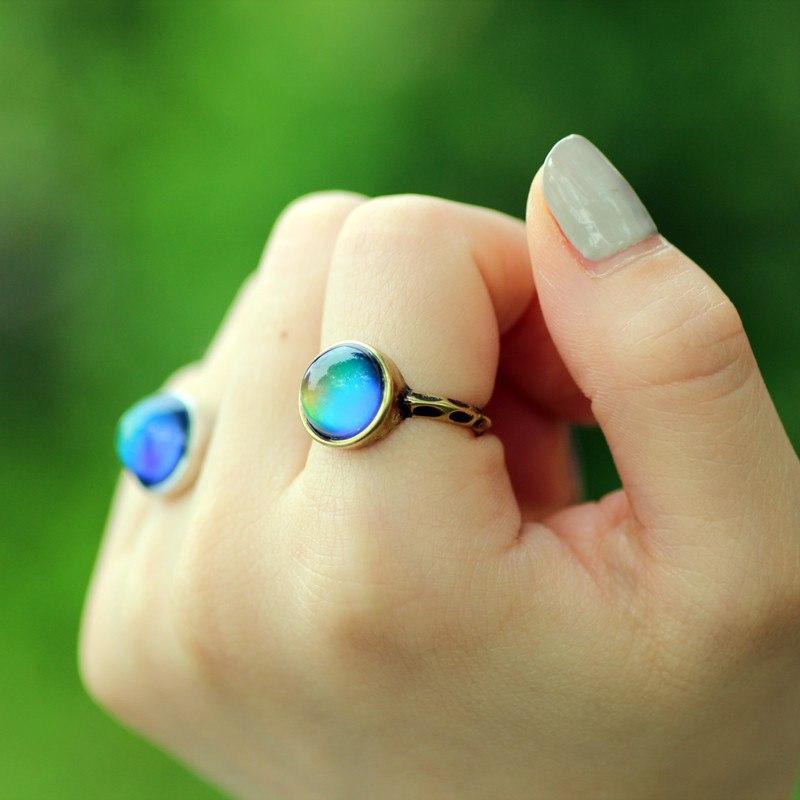 LITTLE THINGS: I bought myself a “mood ring” because when I was a kid I thought they were so magical. At this point I knew I could look down and see a variety of colors that would make me feel a little better. It works!! I look down at my finger and see bright purples, blues, greens and I know that deep down I am feeling CALM, HAPPY, RELAXED and it makes everything a little better.
 MUSIC: There has been a song that seems to resonate with me at this juncture. The words seem to resonate. It is a song by Rachel Platten called Grace. Here are some of the lyrics that resonate:
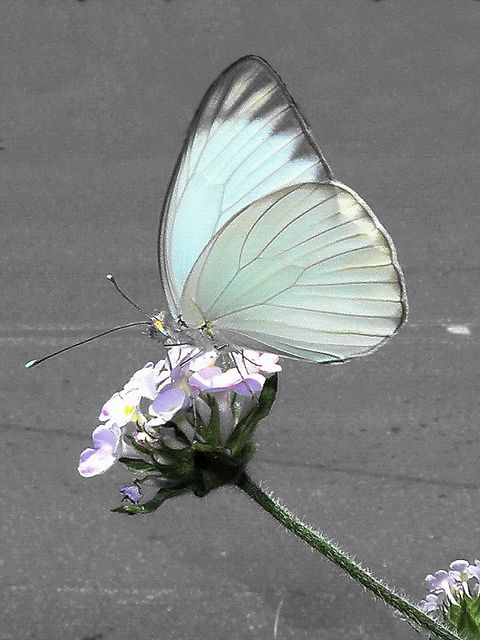 VISUALIZE: I also believe in visualizing & when it comes to trying to heal something I see white butterflies. I envision the ball inside like a cocoon that is radiating light, waiting to be free from fear, illness, and there are hundreds of butterflies inside that break free and flutter throughout my body spreading light.
 WALK: No matter what you have going on in your life, your body, your mind…a walk is an instant remedy and seems to help worry, stress, what if’s melt away and take you to a place of calm. You just see beauty, details, colors, nature soothes the soul. ALWAYS.
 PRAYER: NO matter what you believe, have a religion, struggle…I believe prayer is a very powerful tool and is not bound by any belief system. Prayer is the purest form of communicating fear, need, faith, humility, thanks. It is a gift that we can say simple words and bless anyone in need. That is a beautiful gift. I invite prayers from anyone and simply say thank you.
 Now, seriously. It was humbling and my heart ached for people who suffer from health issues. It made me think of my friend who was pregnant and had a stroke during her pregnancy. She lost mobility and memory. She struggled to find a reason for what had happened to her. She came to the realization that if it was for her child, she could struggle through & then she was thrown into the fire of losing that child. She wondered why. She began to question everything. She fell into a depression. She had not only lost physical mobility, she was now struggling with emotional mobility. She had other children she needed to take care of, so she had to go deep into her emotional reserve and find a place where she could begin to build again.
 Do you have healthy children? If you need a little more realization on this go watchthe movie, “Miracles from Heaven.” My husband and I balled watching what that family had to go through and endure. It is based on a true story. Just imagine having a sick child & how difficult that would be. Go hug your children and thank the heavens that they are healthy and happy.
 Two gifts you opened this morning–your eyes: You have the gift to see. There are many people who don’t take the time to look at the details, to notice the small gifts all around them. Read something. Go outside and look at the symmetry of leaves. Watch the clouds. Enjoy a sunrise or sunset. Notice color.
 Do you have abundance? Whether it is fruit available for picking, a grocery store full of a variety of goods, running water, energy, family near, somewhere to live…My sister-in-law just moved to California. They had a house lined up to move into when they arrived, but the day they were to move in, the funding fell through. Luckily they had a trailer to live in while they are trying to work things out. My sister-in-law laughed as she explained their situation, “and I wanted to sell the trailer!” My response, “I bet you are glad you have it right now.” They are living in a trailer, but are abundant with love. They took a day as a family and made it a memory in Disneyland. She joked that they are homeless, but they are in Disneyland and enjoying it. Every situation is different, but if you can find the abundance wherever you are, you will find the gift within the situation.
 Do you have love? We all come from love, but sometimes that gets lost in the confusion of life. You may be surrounded by friends and family who love you or you may have a best pet friend or maybe you are constantly searching for love. Do you love yourself? Love can be found in service, caring for another, holding the hand of someone afflicted, listening to someone in need…LOVE is everywhere, it is a gift that may be freely given or you may need to seek and find it. Love is in our nature.
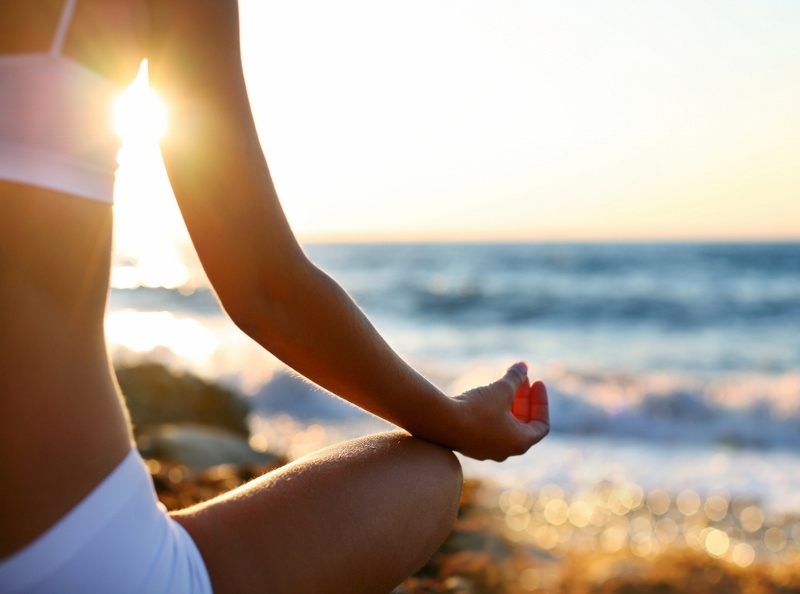 Do you have a healthy body? Many of us take for granted and sometimes abuse the incredible gift we have been given–our body. It is an amazing piece of systematic genius. How are bodies function is a miracle & we do not have to do anything. It runs beautifully. Sometimes it is put on us to take better care of this amazing gift and we need to take it seriously. When we begin to break down, life becomes more difficult. We need to seek out good healthy habits. We need to find exercises we love. We need to sleep, drink water and do good things. Do you appreciate the ability to touch, to hear, to breathe, to taste yummy foods, etc. We need to be grateful for the health and happiness we have.
 Do you appreciate being able to learn and grow? We have a great ability to learn anything with the help of the internet, youtube, connecting with others, etc. It is amazing!! We are only limited by what we do NOT do. Learn something new & guaranteed you will find a new zest for your life. You will begin to strive to seek out new things more often to enhance your life. You will learn and want to share with others around you. It is contagious! When we don’t seek out new things, we become stagnate and don’t grow. Take the time. It is worth it. Seek to learn something new each day, even if it is something small. You will fill it boost your day. I promise!
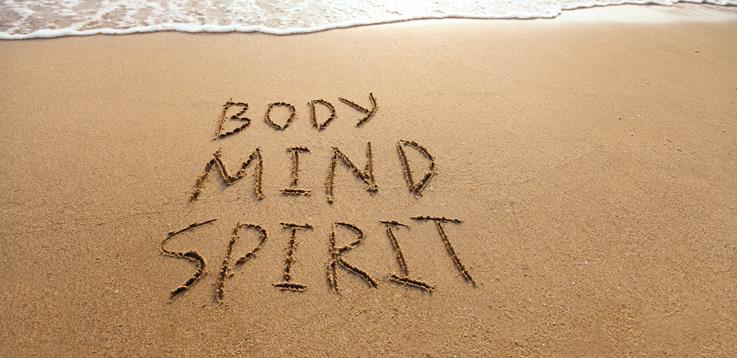 Do you have balance? Mind. Body. Spirit. All come together as a whole.
 yourhappyplaceblog